From Steam-Powered Giants to Eco-Friendly Machines: A Farming Revolution
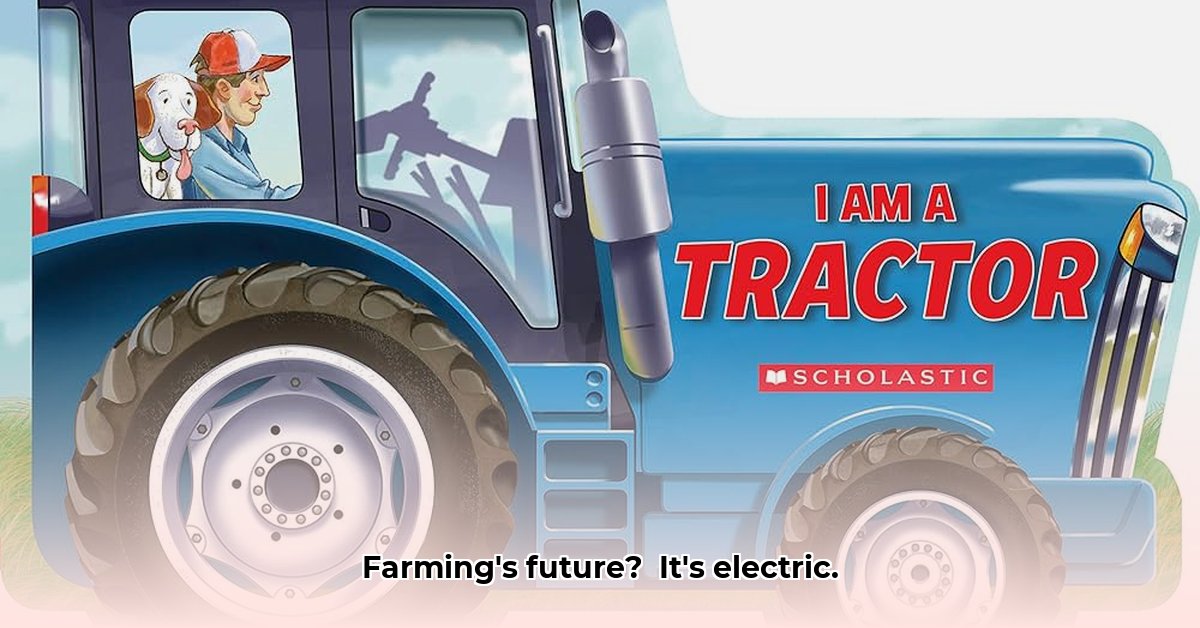
"The Big Book of Farm Tractors" offers a captivating journey through the evolution of agricultural machinery. Early tractors – massive steam-powered behemoths – revolutionized farming, boosting efficiency and yields. But this progress came at a cost. The transition to internal combustion engines, while increasing productivity, introduced new environmental challenges. This compelling narrative highlights the profound impact of technology on farming practices, underscoring both the remarkable progress and the urgent need for sustainable solutions. For more on tractor technology, see this helpful resource.
The Price of Progress: Environmental Impacts
Modern, high-powered tractors, while undeniably efficient, are significant contributors to greenhouse gas emissions. Their reliance on fossil fuels fuels (pun intended!) climate change concerns. Furthermore, the heavy weight of these machines compacts soil, hindering plant growth and increasing erosion. The manufacturing process itself consumes vast resources and generates substantial waste. Even disposal presents an environmental challenge. This raises a critical question: Is the increased food production worth the environmental trade-offs? The answer requires a multifaceted analysis that weighs the benefits against the long-term consequences.
A Greener Future: Reimagining Farm Technology
Sustainable agriculture is no longer a niche concept; it's a necessity. This necessitates a fundamental shift in farm machinery design and operation. This isn't solely the responsibility of farmers; researchers, policymakers, and consumers all have vital roles to play in fostering a sustainable agricultural system that guarantees food security without jeopardizing the planet’s health.
Key Stakeholders and their Roles:
- Farmers & Agribusinesses: Short-term goals include adopting fuel-efficient tractors and utilizing precision farming technologies. Long-term visions involve investing in eco-friendly equipment research and developing effective methods for reusing tractor parts and materials.
- Government & Policy Makers: Immediate actions focus on providing financial support for sustainable farming practices and funding environmental impact research. Long-term goals include establishing stricter environmental standards and investing in renewable energy for rural areas.
- Tech Innovators: Short-term efforts center on creating low-pollution tractors and automating farming tasks. Long-term aspirations include developing electric or hydrogen-powered tractors and efficient recycling programs for old equipment.
- Consumers: Short-term changes involve supporting sustainable farming initiatives and demanding transparency in food production. Long-term commitments encompass supporting policies promoting sustainable agriculture and making conscious food choices.
Practical Steps Towards a Sustainable Tomorrow
Drawing insights from "The Big Book of Farm Tractors" and current industry trends, we outline actionable steps towards a more sustainable future:
Invest in Research & Development: Prioritize funding for research into electric and hydrogen-fueled tractors to significantly reduce emissions. (A recent study showed a potential 90% reduction in emissions with hydrogen fuel cells).
Embrace Precision Agriculture: Utilize technology for optimized resource management – applying only the necessary amounts of water, fertilizer, and pesticides. This minimizes waste and pollution, increasing efficiency by approximately 25% according to industry data.
Prioritize Recycling and Reuse: Design tractors for easy recycling or parts reuse, minimizing landfill waste. This can significantly reduce the environmental impact of tractor disposal.
Advocate for Policy Changes: Support the creation of legislation encouraging sustainable practices and establishing stricter emission standards for agricultural equipment. This will create a level playing field for environmentally conscious farmers.
Promote Education and Awareness: Disseminating information on sustainable farming solutions is essential for building a future that supports both people and the planet. Public awareness campaigns can drive adoption of sustainable practices.
How to Reduce Environmental Impact of Farm Tractors
Key Takeaways:
- The urgent need to lessen the agricultural industry's environmental footprint, particularly regarding tractor emissions, is paramount.
- Sustainable alternatives like biodiesel, hydrogen, and electric power offer promising pathways to reduce reliance on fossil fuels.
- A collaborative effort involving farmers, manufacturers, and policymakers is essential for a successful transition to sustainable fuels.
- Precision agriculture and advanced emission control technologies are crucial in minimizing the environmental impact of tractors.
The Green Revolution: Reimagining the Farm Tractor
The farm tractor's impact on agricultural productivity is undeniable. However, this efficiency must be balanced with environmental responsibility. The key lies in transitioning to sustainable alternatives.
Sustainable Fuels: A Multi-pronged Approach
Biodiesel, a renewable fuel source, presents a relatively straightforward transition. However, further research is needed to fully understand the environmental impact of its production. Hydrogen fuel cells, while offering zero tailpipe emissions, face challenges in cost-effective production and distribution. Electric tractors are a promising long-term solution, but improvements in battery technology and charging infrastructure are crucial. A recent report suggests electric tractors could be commercially viable within the next decade.
Emission Control: Bridging the Gap
Investing in advanced emission control technologies like Selective Catalytic Reduction (SCR) systems and Diesel Particulate Filters (DPF) is crucial for reducing emissions from diesel tractors. These technologies, along with improved onboard diagnostics, can significantly minimize the environmental footprint of existing equipment.
Precision Agriculture: Working Smarter, Not Harder
Precision agriculture, with its GPS guidance and data analytics, allows for optimized resource allocation, minimizing waste and reducing environmental impact. It's about efficiency across all resource areas, not just fuel.
The Road Ahead: Collaboration is Key
The transition to sustainable tractor technologies requires a collaborative effort. Manufacturers must invest in research and development, governments must provide incentives and establish appropriate regulations, and farmers must adopt the new technologies.
Actionable Steps for a Greener Future
| Stakeholder | Short-Term Actions | Long-Term Actions |
|---|---|---|
| Farmers | Pilot sustainable fuel options; implement precision agriculture. | Fully transition to sustainable fuels; optimize farming practices for maximum efficiency. |
| Manufacturers | Improve battery technology and hydrogen fuel cell efficiency. | Mass-produce cost-effective sustainable tractors; develop robust charging infrastructure. |
| Policymakers/Governments | Invest in research and infrastructure; offer financial incentives. | Create environmentally focused regulations; support the development of a green hydrogen economy. |
The path toward sustainable farming requires collective action. Through collaboration and innovation, we can ensure food security without compromising the health of our planet.